Seasonal Eating in India — Why Ancestral Wisdom Still Matters
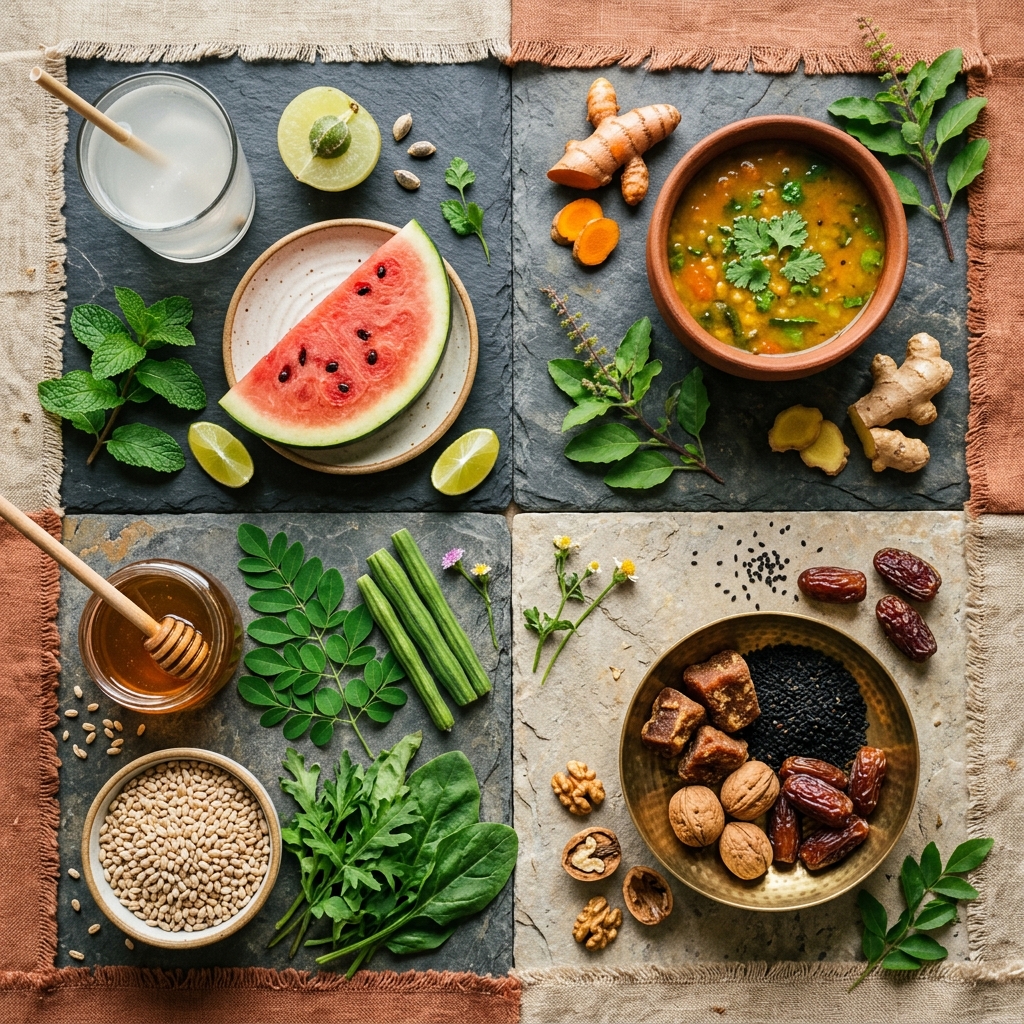
Before refrigeration, before global supply chains, before supermarkets stocked strawberries in December — humans ate what the season gave them. And their bodies were calibrated for it.
In India, this was not just common sense — it was codified. Ayurveda's Ritucharya (seasonal regimen) prescribed specific foods for each season, based on how climate affects digestion, immunity, and energy levels.
Modern nutritional science is now confirming what this system taught thousands of years ago.
Why Seasonal Eating Makes Scientific Sense
This is not nostalgia — it is biology. Here are three reasons modern research backs ancestral seasonal eating patterns:
- Nutrient density peaks at harvest: A tomato picked in season contains up to 3× more Vitamin C than one grown off-season in a greenhouse
- Your body's needs change: In winter, you need more warming, calorie-dense foods. In summer, cooling, hydrating ones.
- Gut bacteria shifts seasonally: Research in Science showed that the human microbiome changes composition across seasons — your gut expects different foods at different times
"Your great-grandmother ate mangoes in summer and sesame in winter — not because of preference, but because her body needed different nutrients in different seasons."
The Indian Seasonal Food Guide
Summer
Your body overheats, digestion weakens, and dehydration risk rises.
- Eat: Coconut water, amla, watermelon, cucumber, mint, curd
- Seeds & nuts: Soaked almonds (cooling effect), chia seeds (hydration)
- Avoid: Heavy fried foods, excessive dried fruits (they generate heat)
Monsoon
Humidity weakens digestion and immunity drops. Waterborne infections spike.
- Eat: Turmeric, ginger, garlic, light soups, steamed foods
- Herbs: Tulsi tea daily, turmeric in everything, ginger before meals
- Avoid: Raw salads, street food, cold beverages
Autumn
Transition season. Body begins storing energy for winter.
- Eat: Pumpkin seeds, dates, warm milk with ashwagandha
- Good time for: Triphala cleanse, moringa supplementation
Winter
Digestion is strongest. Body craves dense, warming nutrition.
- Eat: Black sesame, jaggery, ghee, walnuts, dates, ginger
- Seeds & nuts: Increase intake — cashews, almonds, pistachios
- Daily ritual: Golden milk with turmeric, ashwagandha, and cinnamon
Spring
Kapha season — body accumulates mucus, feels heavy and sluggish.
- Eat: Honey, barley, light grains, bitter greens, moringa
- Herbs: Triphala, tulsi, and ginger to clear accumulated kapha
- Avoid: Heavy dairy, excessive sweets, cold foods
The Bottom Line
Your ancestors did not have nutritional science. They had observation, passed down through generations. Modern research is proving them right. Eat with the seasons — your body already knows how.
Winter Essentials — Warming Seeds, Nuts & Herbal Powders
Black sesame, jaggery, ashwagandha, and turmeric — everything your body craves this season.
Shop Winter Pantry